Study English in the Philippines: Complete 2026 Guide
Compare Baguio, Cebu, and Clark, understand common ESL course formats, build a realistic budget, and know what to verify before you enroll.
Quick answer
The Philippines is a strong option for students who want intensive English practice, especially one-to-one lessons, in a residential school environment. The best choice depends less on a single “top school” and more on matching your goal, preferred city, daily schedule, accommodation, support needs, and total budget.
Key takeaways
- Choose the city before comparing individual schools; Baguio, Cebu, and Clark offer noticeably different study lifestyles.
- Match the program to a measurable goal such as speaking confidence, IELTS preparation, business English, or general fluency.
- Compare the complete package, not tuition alone: accommodation, meals, permits, local fees, transport, and personal spending matter.
- Ask for the weekly timetable and the exact number and type of classes before paying a deposit.
- Confirm that the school can legally accept international students and clarify who handles the Special Study Permit process.
- Use one clear shortlist and compare the same criteria across every school to avoid choosing based only on photos or promotions.
Why Study English in the Philippines?
Students usually choose the Philippines for a combination of intensive class time, practical speaking opportunities, residential study packages, and access to teachers experienced with international learners. Many English academies build their programs around one-to-one lessons, small group classes, supervised self-study, and campus life. That structure can be useful when your main problem is not knowing grammar, but using English confidently and consistently.
The real advantage is immersion with structure. You are not only attending a lesson and returning to your normal routine. You may live with other students, eat on campus, join activities, and use English throughout the day. That does not automatically guarantee progress, but it creates far more practice opportunities than a few weekly lessons at home.
The decision that matters most
Do not ask only, “What is the best English school in the Philippines?” Ask, “Which school gives me the right program intensity, teacher access, support, living environment, and total cost for my goal?”
Choose the Right Study City First
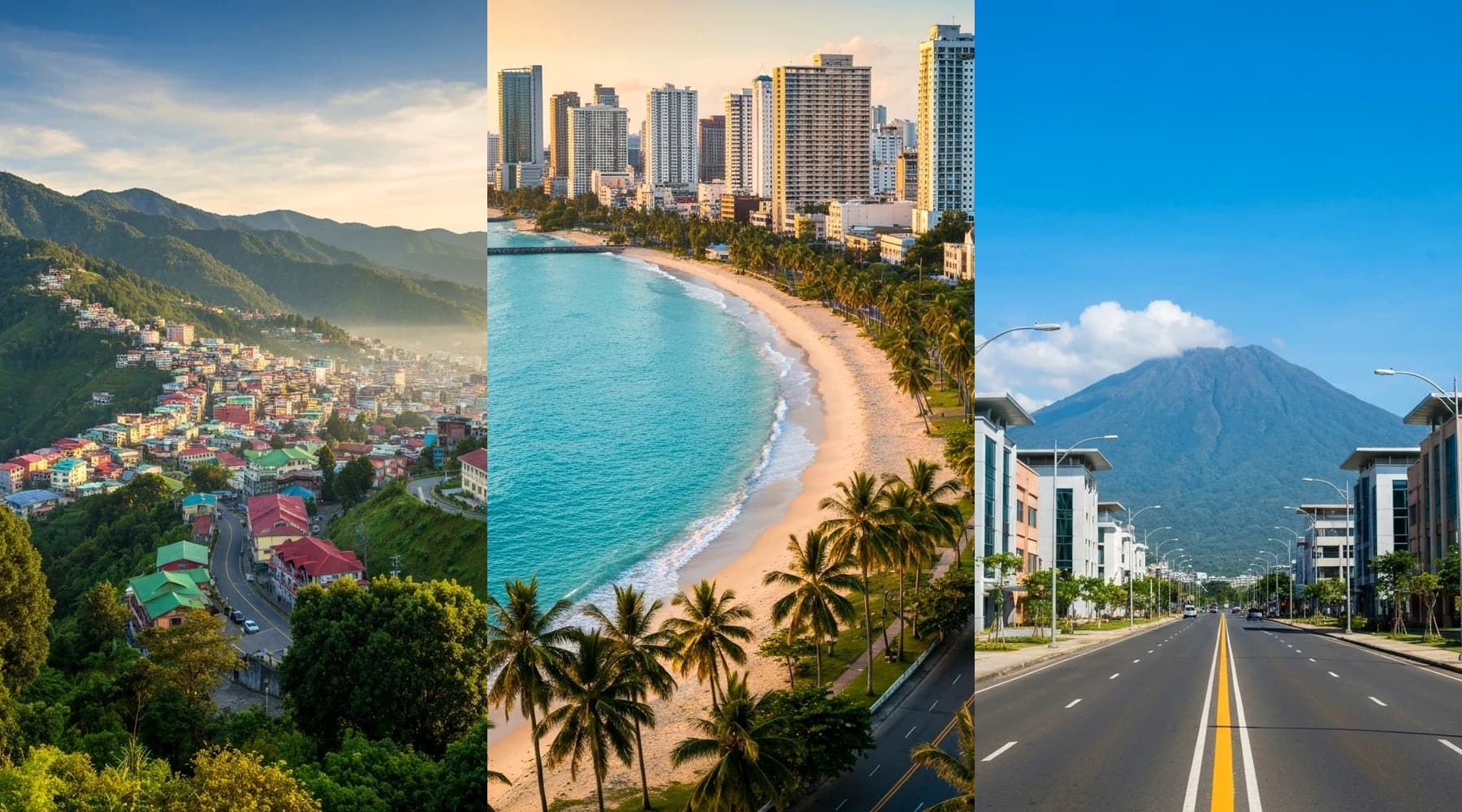
Your city affects your concentration, weekends, transport, climate, and the type of school experience available. Summary PH currently organizes English schools across Baguio, Cebu, and Clark. Start with the environment in which you are most likely to study consistently, then compare schools inside that city.
| Location | Often suits | Study atmosphere | Check before choosing |
|---|---|---|---|
| Baguio | Students seeking a focused routine and cooler mountain setting | Academic, residential, and often more intensive | Travel time, campus rules, curfews, and room type |
| Cebu | Students wanting a wide school selection and active city or island lifestyle | Ranges from flexible to highly intensive | Commute, campus location, weekend distractions, and package inclusions |
| Clark | Students who value accessibility, modern districts, or a quieter alternative | Structured with convenient regional access | Course variety, airport transfer arrangements, and local transport |
For a deeper local guide, use our English school in Baguio guide. Students deciding between the two largest study styles should also read Baguio vs Cebu for English study.
Understand the Main English Course Types
Course names vary by school, so compare the actual timetable rather than relying on labels. A “General ESL” course at one academy may include more one-to-one lessons than an “Intensive ESL” course elsewhere. Ask for the latest schedule, class duration, maximum group size, entry requirements, and any mandatory evening study.
General ESL
Build speaking, listening, reading, writing, vocabulary, and grammar through a balanced timetable.
Speaking-focused English
Prioritize fluency, pronunciation, conversation strategies, presentations, and practical communication.
IELTS preparation
Train for the four test skills with feedback, mock tests, score tracking, and exam-specific techniques.
Business English
Practice meetings, email writing, interviews, presentations, negotiation, and workplace vocabulary.
Sparta or semi-Sparta
Follow a controlled schedule that may include tests, supervised study, English-only rules, and limited weekday outings.
Family and junior programs
Combine age-appropriate classes with accommodation, supervision, activities, and parent or guardian arrangements.
How to Compare English Schools Properly
A useful comparison keeps the criteria consistent. If one school quote includes a single room and another uses a shared room, the totals are not comparable. If one program has six individual lessons and another has four, the lower price may also mean less private instruction. Create one comparison sheet and request every school to answer the same questions.
- 1
Define your outcome
Write one primary goal and a realistic study period. Examples include speaking more confidently at work, preparing for IELTS, or becoming comfortable in everyday conversation.
- 2
Compare weekly class hours
Separate one-to-one classes, group classes, optional classes, tests, and supervised study. Do not count optional activities as guaranteed teaching time.
- 3
Inspect accommodation details
Check room occupancy, bathroom arrangement, cleaning, laundry, Wi-Fi, meals, curfew, deposits, and what happens if you request a room change.
- 4
Review support and arrival logistics
Confirm airport pickup, orientation, local registration, permit assistance, emergency contact, and how issues are handled outside office hours.
- 5
Read the payment and cancellation terms
Ask for the written refund policy, change fees, deposit rules, start-date flexibility, and what is refundable if a visa or travel problem occurs.
Our best English schools in the Philippines comparison explains how to shortlist options without treating one school as universally best. You can also browse the current Summary PH institute directory by city and course type.
Build a Complete Study Budget
School packages may combine tuition, accommodation, and meals, but inclusions differ. Build your budget from the full trip rather than the advertised course price. The most reliable figure is a dated written quotation for your exact school, course, room, start date, and duration.
- Course tuition and enrollment or registration charges
- Accommodation and any room upgrade
- Meals and dietary requirements
- Local school fees, books, ID cards, utilities, and deposits
- Special Study Permit and immigration-related processing where applicable
- Flights, airport transfer, travel insurance, and local transport
- Personal spending, weekend activities, mobile data, and emergency funds
Because prices change by school, season, room type, exchange rate, and promotion, this guide does not invent a universal package price. Use the framework in our cost of studying English in the Philippines guide to request and compare accurate quotations.
Visa and Special Study Permit Basics
International students should confirm immigration requirements before booking. The Philippine Bureau of Immigration explains that a Special Study Permit, or SSP, is used for qualifying foreign nationals taking non-degree courses, while a student visa applies to different study situations. The exact route depends on your age, course type, duration, nationality, and the institution’s accreditation.
Use the Bureau of Immigration FAQ and official Special Study Permit page as the source of truth, then ask the school to explain its role in the application. Requirements and fees can change, so do not rely on an old social media post or an undated agent message.
Before paying
Ask the school to confirm in writing that it is authorized to accept foreign students, what permit you need, which documents you must bring, the current government and school processing charges, and the expected timeline.
Step-by-Step Application Plan
- 1
Set your goal, dates, and budget ceiling
Choose an intended start date, study duration, preferred room type, and maximum total budget including travel and personal expenses.
- 2
Shortlist two cities and three to five schools
Avoid comparing dozens of options. A smaller shortlist makes it easier to inspect timetables, rules, accommodation, and written quotations carefully.
- 3
Request complete documents
Ask for the current brochure, sample timetable, accommodation guide, total quotation, refund policy, permit information, and arrival instructions.
- 4
Verify the school and payment route
Confirm the institution, official payment account, contact details, and international student authorization before transferring money.
- 5
Prepare travel and study documents
Follow the school and government checklist for passport validity, photos, forms, insurance, tickets, and any documents required for minors or guardians.
- 6
Complete placement testing and arrival preparation
Ask whether testing happens before arrival or on campus, what to pack, how airport pickup works, and who to contact if travel is delayed.
Common Mistakes to Avoid
- Choosing from promotional photos without checking the timetable and school rules
- Comparing tuition while ignoring accommodation type and local fees
- Assuming every “intensive” course has the same number of private lessons
- Booking a strict program when you actually need flexibility, or a relaxed program when you need structure
- Paying before reading cancellation, refund, and change-date conditions
- Using old permit or fee information instead of checking official current guidance
- Selecting a city for tourism alone when your main goal requires focused daily study
The right school should still make sense after the marketing is removed. You should be able to explain exactly why its course structure, city, room, support, and total cost fit your objective better than the alternatives.
Final Checklist Before You Enroll
| Check | What you should have |
|---|---|
| Course | Latest timetable, lesson types, class duration, level system, and expected study load |
| School | Official identity, international student authorization, campus address, and contact channel |
| Accommodation | Room type, facilities, meals, house rules, deposits, and change policy |
| Money | Itemized total quotation, payment instructions, refund policy, and list of extra costs |
| Immigration | Written explanation of the required permit, documents, current fees, and processing responsibility |
| Arrival | Airport transfer plan, orientation schedule, emergency contact, and first-day instructions |
When these points are clear, you are ready to move from broad research to a final school comparison. Summary PH can help you organize a shortlist through the English institute directory or answer specific questions through the contact page.
Frequently Asked Questions
Is the Philippines a good place to study English?+
It can be a strong choice for students who want intensive practice, one-to-one lessons, and a residential learning environment. Results depend on choosing a suitable program and attending consistently. Compare the timetable, teachers, class mix, campus rules, accommodation, and total cost rather than assuming every school offers the same experience.
Which city is best for studying English in the Philippines?+
Baguio often suits students who want a focused mountain-city environment, Cebu offers the widest mix of school and lifestyle options, and Clark can suit students seeking accessibility and a quieter alternative. The best city is the one that supports your study habits, preferred climate, travel plan, and budget.
How long should I study English in the Philippines?+
Your ideal duration depends on your starting level and goal. A short course can build momentum and confidence, while a longer stay gives more time for repeated feedback and habit formation. Ask the school to recommend a duration based on a placement test and define what progress will be measured during the course.
Do English schools in the Philippines offer one-to-one classes?+
Many do, but the number, length, and subject of private lessons vary. Request the latest sample timetable and separate guaranteed one-to-one classes from group lessons, optional classes, tests, and supervised study. This makes it possible to compare the real teaching value of different packages.
Do I need a student visa to take an English course in the Philippines?+
Not every English course uses the same immigration route. Qualifying non-degree students may require a Special Study Permit under the relevant visitor status, while other study types may require a student visa. Confirm your case with the school and the Philippine Bureau of Immigration before booking or traveling.
How do I find English schools near me in the Philippines?+
Search by the city where you plan to live, then compare schools within realistic travel distance of your accommodation. Residential academies often place classes, meals, and rooms on one campus, which reduces daily commuting. Summary PH currently lets you browse listed institutes in Baguio, Cebu, and Clark.
What should an English school quotation include?+
It should identify the school, course, start date, duration, room type, tuition, accommodation, meals, registration charges, local fees, permit-related costs, deposits, payment schedule, and refund terms. Ask which costs are estimates and which are fixed, and confirm the quotation’s expiry date.
How can Summary PH help me choose a school?+
Summary PH organizes English institutes by location and course type and provides comparison guidance for students. Share your goal, preferred city, dates, study duration, room preference, and budget range so the team can help you build a smaller, more relevant shortlist for direct verification.
Official sources checked
- Philippine Bureau of Immigration — Frequently Asked Questions
- Philippine Bureau of Immigration — Special Study Permit
- Philippine Bureau of Immigration — Accredited Entities
Requirements, fees, availability, and school policies can change. Confirm current details with the relevant official authority and institution before paying or traveling.
Compare schools around your real priorities
Share your English goal, preferred city, dates, study duration, room preference, and approximate budget. Summary PH can help you organize relevant options for direct verification.
About the author
Written by the Summary PH Editorial Team, a research and student-guidance team focused on helping international students compare English study options in the Philippines. This article uses practical decision frameworks and clearly separates verified official information from details that must be reconfirmed with schools.
Related English study guides
Best English Schools in the Philippines: How to Choose in 2026
A decision-focused comparison framework for finding the strongest school for your goal instead of relying on a generic ranking.
Read the complete guide
English School in Baguio: A Practical 2026 Selection Guide
A focused guide for students comparing Baguio English schools, intensive programs, residential campuses, and IELTS options.
Read the complete guide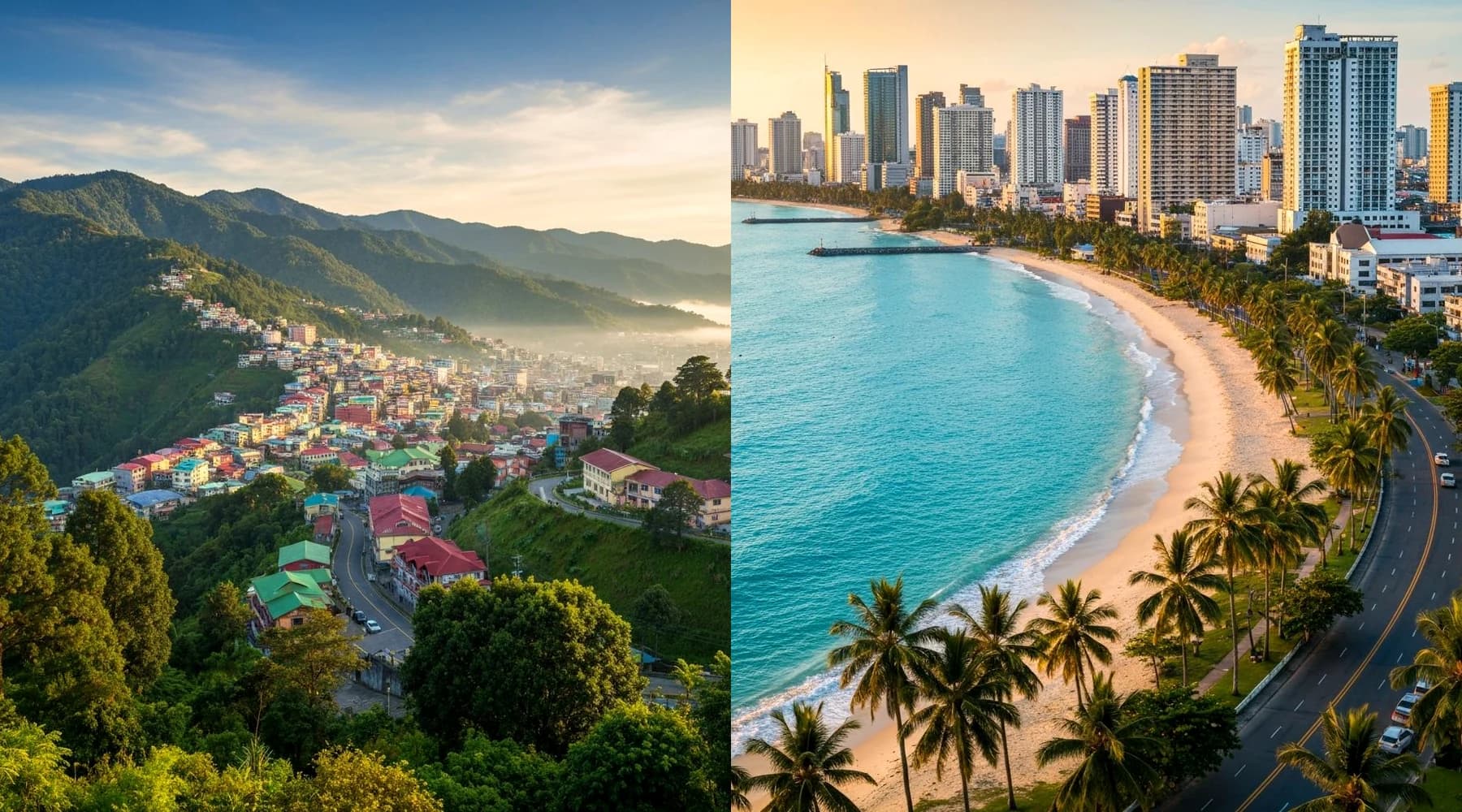
Baguio vs Cebu for English Study: Which City Fits You?
A direct city comparison for students choosing between a focused mountain environment and a larger tropical education hub.
Read the complete guide
Cost of Studying English in the Philippines: Complete Budget Guide
A no-surprises budget framework for comparing English school quotations without inventing one universal package price.
Read the complete guide